

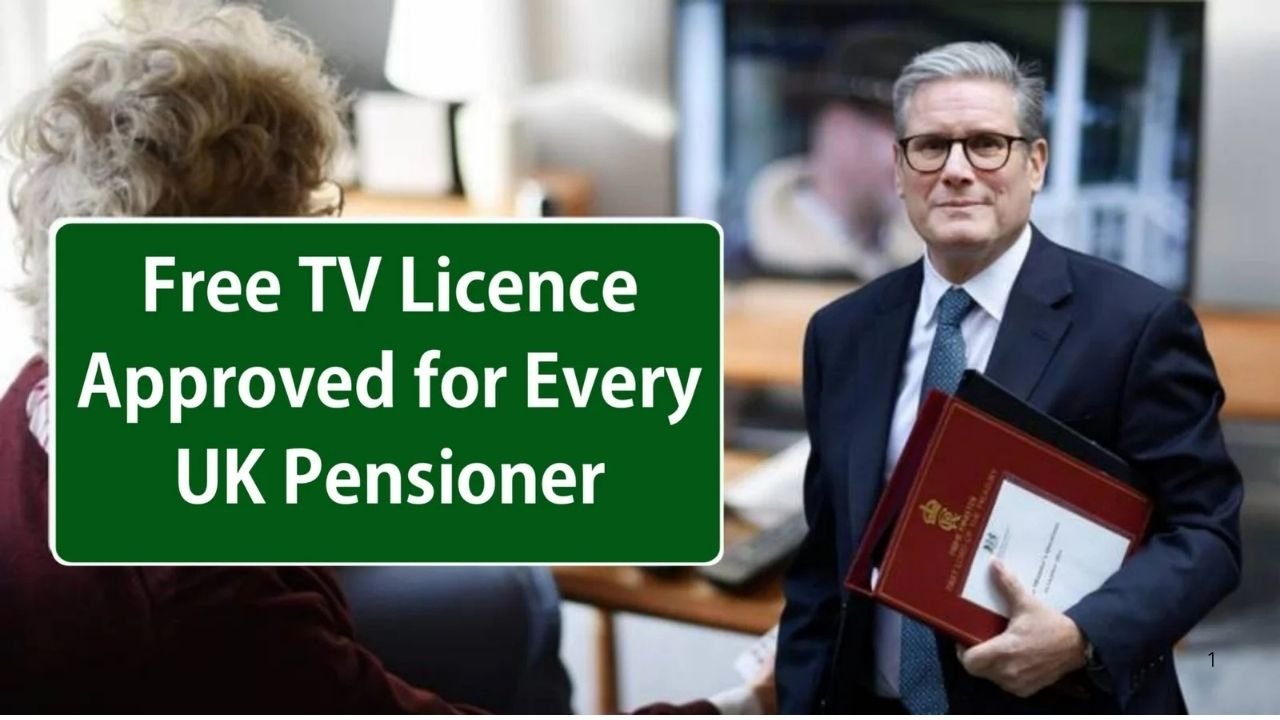
Millions of older people across the UK are set to benefit from a major Government decision: free TV licences for every pensioner, regardless of income, benefits, or household status. The move has created a surge of relief among retirees who have been struggling with rising living costs, tight budgets, and growing financial pressure.
This simplified and universal approach aims to cut bills, restore fairness, and support the wellbeing of older citizens who rely on television for company, connection, and daily information.
Why the Free TV Licence Matters

For many pensioners, TV is more than entertainment. It provides:
- Daily news and essential information
- Emotional comfort and companionship
- A sense of routine and structure
- Mental stimulation and social connection
With living costs at their highest in decades, removing this annual fee gives older people one less bill to worry about.
Who Will Receive a Free TV Licence?
Under the new policy:
- Every UK pensioner will qualify
- No income checks or benefit claims are required
- Eligibility begins from State Pension age
- Mixed-age households qualify if the licence is in the pensioner’s name

This universal approach replaces the old system, which only provided free licences to over-75s who claimed Pension Credit — a rule that caused confusion and low uptake.
Why the Government Made This Decision
Several factors pushed the Government to act:
- Rising cost of living pressures
- Public frustration and political pressure
- Campaigns from senior charities
- Criticism over previous cuts to pensioner benefits
The decision aims to restore trust, protect older people, and recognise the financial challenges faced by those on fixed incomes.
How the New Scheme Will Be Rolled Out

Implementation is expected to be straightforward. Likely steps include:
- Automatic updates based on age records
- Simple confirmation via National Insurance number if needed
- Automatic renewal each year
- Possible refunds for pensioners who recently renewed a paid licence
Households will receive official updates when the system goes live.
Financial and Emotional Benefits for Pensioners
Budget Relief
Saving the annual licence fee allows pensioners to redirect money toward essentials such as:
- Heating
- Groceries
- Medication
- Transport
Social and Emotional Wellbeing
Television can help reduce loneliness among older people by offering:
- Familiar routines
- Comfort during illness or isolation
- A feeling of connection to the outside world
Impact on the BBC and Public Broadcasting
Because the BBC relies heavily on licence fee income, the Government is expected to negotiate a funding plan to fill the financial gap. This may include:
- Additional Government support
- Funding model adjustments
- Long-term reforms to licence fee structure
The goal is to protect both pensioners and public broadcasting services.
Public Response
Reactions have been largely positive:
- Pensioner groups welcomed the decision
- Charities praised the return to fairness
- Many appreciate the end of complex benefit eligibility rules
Some critics argue that universal benefits increase public spending, but the majority view sees this as essential support for an ageing population.
FAQs
1. When will the free TV licence scheme start?
The Government is preparing rollout details. Pensioners will receive official updates soon.
2. Do I need to apply for the free licence?
Most pensioners will be updated automatically, but some may need to confirm age or basic details.
3. Will I get a refund if I already paid?
Yes, refunds or adjustments are expected once the new system activates.
4. Does household income matter?
No. The benefit is universal for everyone of State Pension age.
5. What if I live with younger family members?
Your home still qualifies if the licence is registered in the pensioner’s name.
Conclusion
The introduction of free TV licences for all UK pensioners marks a powerful step toward supporting older citizens during challenging economic times. By removing a long-standing financial burden and simplifying the process, the Government aims to protect both the dignity and wellbeing of elderly people across the country.
This change offers more than savings — it delivers comfort, fairness, and peace of mind to millions of households.