

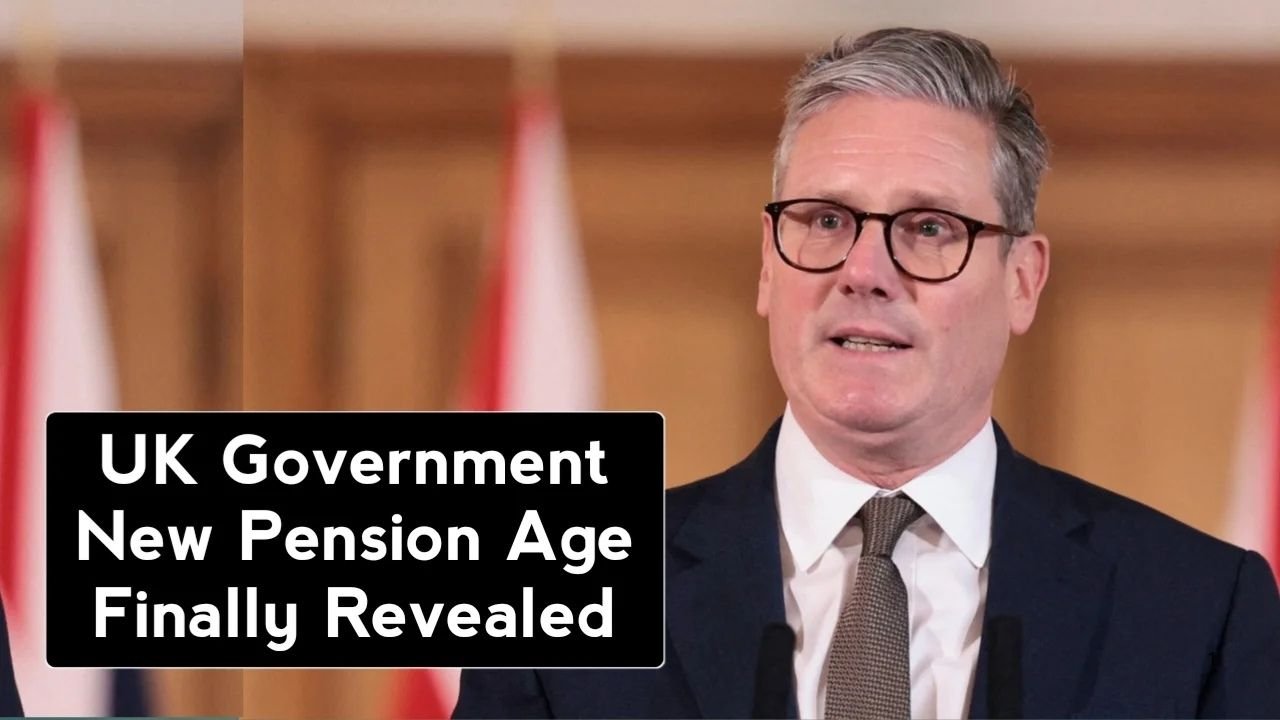
The UK government has officially confirmed major changes to the State Pension Age (SPA)—and the long-planned retirement age of 67 is no longer the final stop. With life expectancy rising and economic pressures mounting, ministers have approved a new timetable that will affect millions of working-age adults. If you’re in your 50s or younger, these changes will shape when you can retire and how much income you’ll have. Here’s everything you need to know in one clear, simple guide.
Why the State Pension Age Is Changing
The State Pension system is under increasing strain. People are living longer, and the UK has a shrinking proportion of working-age taxpayers supporting retirees. To keep the system financially stable, the government aims to ensure people spend only a set share of their life in retirement.
Key Reasons Behind the Increase
- Longer life expectancy
- Rising public costs
- Fewer workers supporting more pensioners
- Need to keep the State Pension sustainable for younger generations
The New Timeline for the State Pension Age
Current SPA: 66

The move towards 67 is already underway, but now the government has confirmed a clearer timetable and who will be affected.
Shift from 66 to 67 (2026–2028)
This is a gradual change based on your date of birth.
Who Will Be Affected?
- Born April 1960 – March 1961:
Your SPA will fall somewhere between 66 and 67 years and 11 months. - Born April 1961 onwards:
Your State Pension Age is 67—a full year later than under previous rules.
Anyone already receiving the State Pension will see no changes to their benefits.
More Changes Coming: Retirement at 68

Raising the retirement age doesn’t stop at 67.
What’s Already Planned
- SPA will increase from 67 to 68 between 2044 and 2046.
Possible Early Move
Government reviews suggest bringing this rise forward—potentially to the mid-2030s.
This means today’s younger workers could face even later retirement ages.
How the New Rules Affect You
If You’re in Your 50s
You’ll need to double-check your exact SPA using the government’s online tool. Your retirement date may be later than expected.
If You’re Younger

Expect more future rises. Many experts believe the SPA will eventually hit 69 or 70 for younger generations.
If You’re Already Retired
Nothing changes. Your pension age and payments stay the same.
What About Health, Work Ability, and the Income Gap?
Working longer is not possible for everyone—especially those in physically demanding jobs or with long-term health issues.
Parliament is currently reviewing:
- The pre-pension income gap
- Support for people who must stop work early
- How carers and those with health conditions can avoid falling into poverty
The findings may shape future support programmes.
How to Prepare Financially
These changes underline an important truth: relying only on the State Pension is no longer enough.
Smart Steps to Take Now
- Check your State Pension forecast using the official GOV.UK tool.
- Review your workplace or personal pensions—calculate how much you’re on track to receive.
- Increase pension contributions if possible to build a larger private pot.
- Consider voluntary National Insurance contributions to fill gaps in your record.
- Plan for an extra year (or more) before State Pension income begins.
Proactive planning now reduces financial stress later.
FAQs
1. Does this change affect people already receiving the State Pension?
No. Existing pensioners will not be affected.
2. Who will retire at 67 under the new timetable?
Anyone born on or after April 1961.
3. Will the SPA definitely rise to 68?
Yes, it is already legislated—but the timing may be brought forward.
4. Could the SPA rise above 68 in the future?
Possibly. Younger generations may face further increases based on future reviews.
5. How can I check my exact State Pension Age?
Use the official State Pension Age calculator on GOV.UK.
Final Thoughts
The government’s decision to move beyond the age-67 retirement mark marks a major shift in the UK’s long-term pension strategy. While unpopular and challenging, officials argue it’s essential to keep the State Pension financially secure. For individuals, the message is clear: start planning now. Understand your new retirement age, strengthen your savings strategy, and make sure you’re prepared for a longer working life. Your future comfort depends on the steps you take today.